

Understanding Casino Game Types
Casino games can be broadly categorized into three main types: table games, slot machines, and specialty games. Table games include classics like blackjack, poker, and roulette, where players often compete against the dealer or each other. These games typically involve a mix of skill and luck, making them exciting for various players. While exploring different options, you might find that online casino games offer unique variations and experiences. Understanding the rules and strategies behind these games can significantly improve your chances of winning.
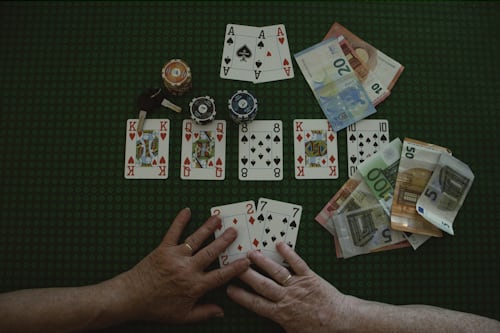
Slot machines, on the other hand, are all about luck. They feature various themes and game mechanics that can entice players with the potential for big payouts. Unlike table games, slots do not require any specific skills; however, knowing about paylines, jackpots, and bonuses can enhance your gaming experience. Specialty games, which include bingo and keno, provide unique gameplay experiences that can be both entertaining and rewarding.
Basic Rules and Strategies
Every casino game comes with its own set of rules that players must understand before participating. Familiarizing yourself with the basic rules is essential to enjoy the game fully and avoid costly mistakes. For example, in blackjack, players need to know when to hit, stand, or double down. Mastering these basic strategies can significantly affect your game outcome.
In addition to understanding the rules, players can benefit from learning simple strategies that can improve their odds. For instance, in poker, knowing when to fold or bet aggressively can be pivotal. While luck plays a role, understanding the game’s intricacies can make a real difference in a player’s success. Beginners should take the time to practice and absorb knowledge before diving into real-money games.
The Role of Odds and House Edge
One of the most crucial aspects of casino games is understanding odds and the house edge. The odds refer to the probability of a particular outcome occurring, while the house edge represents the casino's built-in advantage over the player. Each game has a different house edge, and knowing this can help players make more informed decisions on which games to play.
By selecting games with a lower house edge, players can stretch their bankrolls further and potentially increase their winning chances. It's also important to remember that even with the best strategies, the house always has an advantage in the long run. Therefore, managing expectations and playing for enjoyment rather than solely for profit is essential for a fulfilling casino experience.
The Importance of Responsible Gambling
As exciting as casino games can be, it's vital to approach gambling responsibly. Setting limits on both time and money can help prevent the risks associated with gambling. Players should only wager what they can afford to lose, ensuring that gambling remains a fun activity rather than a financial burden.
Many casinos and online platforms promote responsible gambling by providing resources and tools to help players manage their gaming habits. Educating yourself about the signs of problem gambling is also important. If you or someone you know is struggling, seeking help should always be a priority. Maintaining a healthy perspective on gaming is essential for long-term enjoyment.

Securing Your Casino Experience
Choosing a reputable casino is key to ensuring a safe and enjoyable gaming experience. A trustworthy platform will have robust security measures in place to protect users' data and financial information. Players should look for casinos that are licensed and regulated by recognized authorities, as this often signifies a commitment to fair play and player safety.
Additionally, many websites offer guidance on navigating potential access issues and troubleshooting steps. Fostering a secure online environment builds trust and reliability, allowing players to focus on the excitement of the games. By prioritizing security, players can enjoy their gaming experiences without undue worry, enhancing overall satisfaction.